In today’s financial landscape, having a good credit score has become increasingly important. It’s more than just a number—it’s a key indicator of your financial health and can influence everything from loan approvals to the interest rates you’re offered. A significant part of navigating this financial world is understanding what constitutes a good credit score and how to achieve it. With lenders and creditors relying heavily on credit scores to assess risk and responsibility, knowing how to maintain a healthy score can open doors to homeownership, better financing options, and more.
This article will offer you a comprehensive guide to understanding and improving your credit score. We’ll dive into the critical components that influence your credit score, provide practical steps for building and sustaining a good score, and address common challenges paired with effective solutions. By the end, you’ll have a clear path to enhancing your creditworthiness, backed by actionable insights.
Understanding Credit Scores
Defining Credit Scores
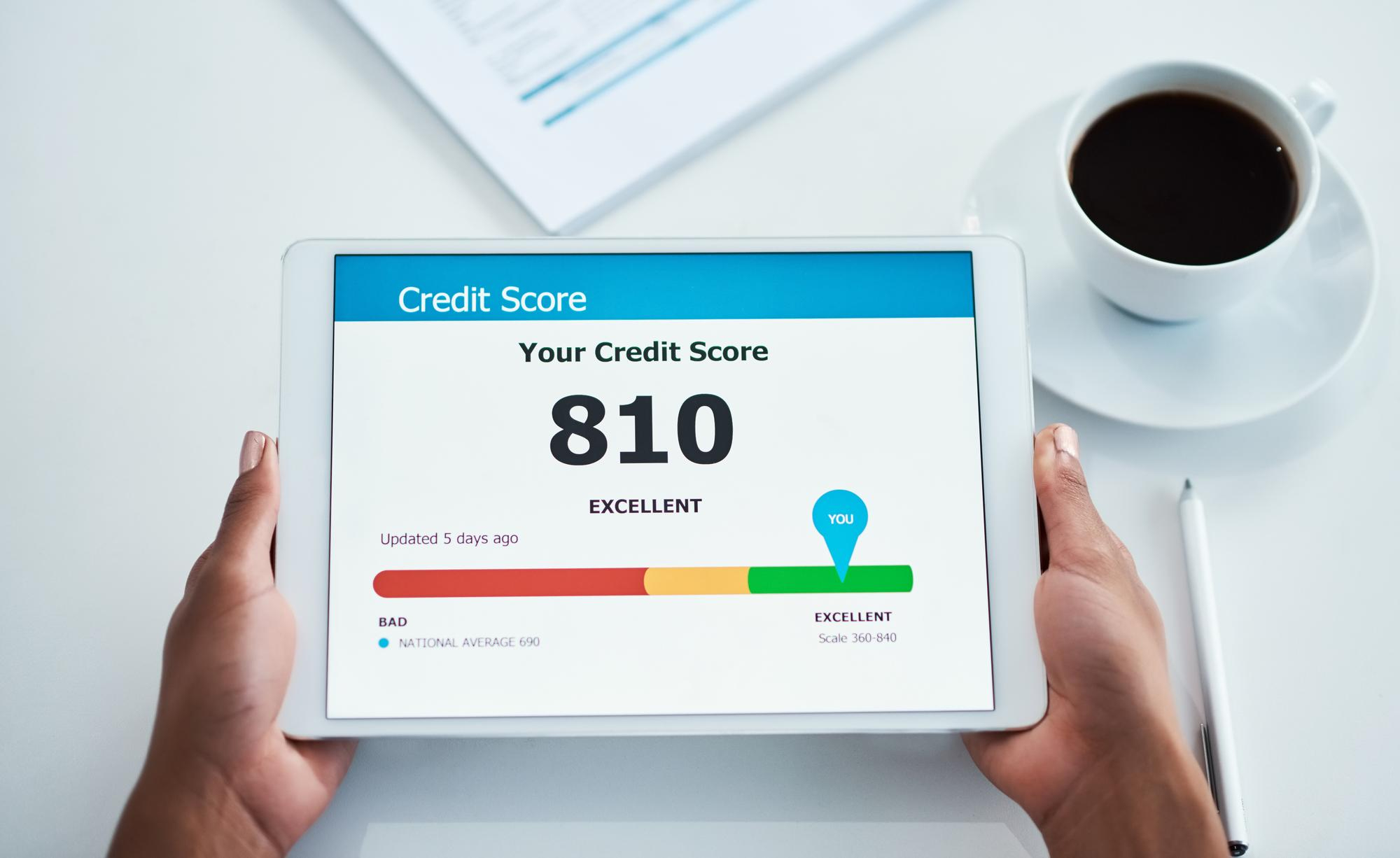
A credit score is a numerical expression derived from a detailed analysis of a person’s credit history. This score, typically ranging from 300 to 850, is used by lenders to evaluate the creditworthiness of a borrower. The higher the score, the more trustworthy a borrower appears to potential lenders.
Credit scores are calculated based on several factors, including payment history, amounts owed, length of credit history, types of credit, and new credit. The interplay of these elements determines your overall score. Understanding each of these components is crucial to managing and improving your credit score effectively.
The Role of Credit Bureaus
Credit scores are generated by credit bureaus, which are agencies responsible for compiling your financial history and assessing your credit behavior. The three primary credit bureaus—Equifax, Experian, and TransUnion—collect and maintain financial data to produce your credit report and calculate your score.
Each bureau might present slightly different scores for an individual based on the data they have access to and their specific scoring model. It’s essential to be aware of the fact that you have different scores with each bureau, which can influence lenders’ decisions depending on which report they review.
Components of a Good Credit Score
Payment History
Payment history carries the most weight in determining your credit score. It reflects your track record of credit repayments and accounts for about 35% of your total score. Consistently making on-time payments builds a positive payment history.
A missed or late payment can have a significant negative impact on your score. To avoid this, it’s crucial to pay at least the minimum amount due on your debts by the due date each month. Automatic payments or setting reminders can be an effective strategy to maintain a clean payment record.
Credit Utilization Ratio
Your credit utilization ratio represents the amount of credit you’re using relative to your total credit limit. Often expressed as a percentage, this metric accounts for about 30% of your credit score. A lower ratio is preferable, indicating responsible credit management.
To improve your score, aim to keep your credit utilization below 30%. This can be achieved by paying down existing balances and avoiding maxing out credit cards. Regularly monitoring your credit limits and spending can help you maintain a healthy utilization rate.
Practical Steps to Improve Your Credit Score
Regularly Review Your Credit Reports
Start by obtaining your credit reports from the three major bureaus to understand your current standing. Laws like the Fair Credit Reporting Act allow you to access a free credit report from each bureau once per year at AnnualCreditReport.com.
Carefully review these reports for errors or discrepancies that could wrongly affect your score. If discrepancies are found, take action immediately by contacting the credit bureau to dispute and resolve them. Regular review helps ensure your credit report accurately reflects your financial situation.
Strategic Use of Credit
Responsible credit utilization is key to building a good credit score. Use credit cards periodically but responsibly by making small purchases and paying them off fully each month. This activity showcases your ability to manage credit well.
In addition, diversify your credit mix by integrating different types of credit accounts, such as installment loans and revolving credit. Research from finance.com.de shows that a varied credit profile can demonstrate your ability to handle credit responsibly and promote credit score enhancement.
Overcoming Challenges and Improving Security
Dealing with Debt
Debt can serve as a significant barrier to achieving a good credit score. To tackle debt, consider prioritizing high-interest debts and implementing debt repayment strategies like the debt snowball or avalanche method for efficiency and motivation.
Additionally, seeking professional guidance from credit counselors can provide personalized strategies and support. They often help negotiate better terms with creditors, providing breathing room and reducing financial strain.
| Credit Score Component | Description | Impact on Score | Improvement Methods | Tools and Resources |
|---|---|---|---|---|
| Payment History | Accounts for 35% of your credit score. It reflects whether you’ve paid past credit accounts on time. Late or missed payments can severely lower your score. | High | Negative marks can remain for seven years. | Set up automatic payments or reminders to avoid late fees. Prioritize paying off past-due accounts ASAP. | Mint and YNAB for budgeting; Upstart and Payoff for consolidating debts. |
| Credit Utilization | Represents 30% of your score. It is the ratio of your current credit card balances to your credit card limits. Lower percentages are better. | High | Keep utilization below 30% of total available credit. | Pay down existing balances and request higher credit limits to improve your ratio. | Experian Boost to factor in utility payments; CreditWise for monitoring progress. |
| Length of Credit History | About 15% of your score. A longer credit history provides more data to assess credit behavior. | Moderate | Older accounts boost your score. | Keep old accounts open and active; consider becoming an authorized user on a long-standing account. | FICO Score Open Access for tracking score changes; Nerdwallet for educational resources. |
| New Credit | Impacts 10% of the score. Frequent new account applications can signal financial distress to lenders. | Moderate | Space out credit inquiries by at least 6 months. | Avoid opening multiple new accounts in a short period. Apply for credit only when necessary. | Credit Karma for monitoring hard inquiries; Capital One’s CreditWise tracks changes easily. |
| Types of Credit | Covers 10% of your score, based on the diversity of credit accounts, such as revolving (credit cards) and installment (loans). | Low | A diverse mix can improve scores. | Maintain a good mix of credit types if possible. Balance out credit cards with loans. | Annual Credit Report for checking current account types; LendingTree for personal loan options. |
| Monitoring Credit Score | Regular monitoring helps identify errors and protect against identity theft. | n/a | Check scores monthly; report any discrepancies immediately to the credit bureau. | Credit Sesame for alerts; Experian IdentityWorks for identity protection. |
| Correcting Errors | Errors can wrongly penalize your score. Prompt dispute ensures inaccuracies don’t linger. | n/a | Request your credit reports. Dispute errors with documentation. Follow up until corrected. | Dispute Center by Experian; Dispute Wizard by Equifax. |
Essential considerations for understanding credit scores include:
- Score Components: Credit scores rely on payment history, amounts owed, credit history length, new credit, and credit mix.
- Importance of Timeliness: On-time payments significantly impact your credit score, being the largest weighted factor in scoring models.
- Debt-to-Credit Ratio: Keeping your utilization below 30% boosts your creditworthiness and elevates your score.
- Credit History Impact: Long credit histories provide more data for evaluating reliability; thus, manage accounts wisely over time.
- Effective Monitoring: Regularly check credit reports to catch errors and maintain strong financial health.
Preventing Identity Theft
Identity theft can severely impact your credit score by adding fraudulent debts. Protect yourself by regularly monitoring your credit report for suspicious activities and employing strong security measures, such as secure passwords and comprehensive monitoring services.
In the event of identity theft, act promptly by placing fraud alerts on your credit reports and reporting the incident to relevant authorities. Quick action can minimize the damage caused and help restore your credit standing effectively.
Conclusion
Achieving a good credit score involves understanding the factors contributing to it, implementing strategic practices, and being proactive about potential challenges. By maintaining a diligent approach toward managing your credit accounts, you not only improve your financial standing but open up opportunities for more favorable financial options. Take the practical steps outlined in this guide to nurture a resilient credit profile that stands you in good stead for future financial endeavors.
FAQs
What factors contribute most to a good credit score?
A credit score is influenced by several key factors, with the most significant being payment history, which accounts for about 35% of the score. Consistently making on-time payments positively impacts your score. Another crucial factor is the credit utilization ratio, which represents 30% of the score. It reflects how much credit you’re using compared to your total credit limit. Other elements like the length of credit history, types of credit in use, and new credit also play roles in determining your overall credit score.
How can one maintain a low credit utilization ratio?
To maintain a low credit utilization ratio, aim to use less than 30% of your total available credit. You can achieve this by paying down existing balances promptly and avoiding maxing out your credit cards. Regularly monitor your credit limits and spending habits. Consider spreading your expenses across multiple credit cards if needed, ensuring that no single card is overused. Additionally, you might increase your credit limit by asking your creditor, but make sure your spending does not increase proportionally.
Why is it important to review your credit reports regularly?
Regularly reviewing your credit reports is crucial to understanding your current financial standing and ensuring accuracy in your credit file. Laws like the Fair Credit Reporting Act entitle you to a free report from each major bureau annually, providing an opportunity to identify any errors or discrepancies that could adversely affect your score. Promptly addressing inaccuracies with credit bureaus through disputing can prevent unjust damage to your score. Consistent review helps maintain a credit report that accurately reflects your financial situation.
How can one effectively deal with debt to improve credit score?
To effectively tackle debt and improve your credit score, prioritize repaying high-interest debts first as they pose the most significant financial strain. Implementing debt repayment strategies like the snowball or avalanche methods can provide structure and motivation. Additionally, seeking advice from credit counselors can be beneficial, as they offer personalized strategies and may help negotiate better terms with creditors. Reducing debt not only alleviates financial pressure but also favorably impacts the credit utilization ratio, a crucial component of your credit score.
What steps can be taken to prevent identity theft affecting your credit score?
Protecting your credit score from identity theft involves proactively monitoring your credit reports for fraudulent activities. Utilize secure passwords and consider comprehensive identity monitoring services to safeguard your personal information. Should identity theft occur, act quickly by placing fraud alerts on your credit reports and report the theft to appropriate authorities. Swift action is vital in minimizing damage and restoring your credit standing. Regular vigilance and strong security practices significantly reduce the risk of identity theft affecting your score.